If you picture Sonoma Valley as one long stretch of tasting rooms and vineyard views, the reality is more nuanced, and more useful if you are thinking about living here. Along the Sonoma Valley Wine Road, daily life changes noticeably from one part of the corridor to the next, from the walkable energy around Sonoma Plaza to the quieter, more open rhythm of Carneros. If you want to understand what it may feel like to call this area home, this guide will help you compare the lifestyle, mobility, and setting of each micro-area. Let’s dive in.
What Sonoma Valley Wine Road Means
Sonoma Valley runs roughly 17 miles along Highway 12, from the north edge of Santa Rosa down to Carneros. According to the Sonoma Valley fact sheet, the corridor is defined by vineyards, farms, and 13,000 acres of scenic parkland, with communities such as the City of Sonoma, The Springs, Glen Ellen, and Kenwood shaping everyday life.
That broad geography matters when you are comparing homes, estates, or land. Wine-road living is not one uniform experience. Near Sonoma Plaza and the Highway 12 spine, you tend to find the most visitor activity and the most immediate access to dining and tasting rooms. Farther out, the setting shifts quickly toward village-scale and rural living.
Daily Life Along Highway 12
For many buyers, the real question is not just what the area looks like, but how it functions day to day. Sonoma Valley offers a mix of convenience, scenery, and outdoor access, but the balance changes depending on where you are.
The valley has an active food and wine culture, yet the rhythm is fairly predictable. The local visitor FAQ notes that tasting rooms generally open between 10:00 and 11:00 a.m. and often close between 4:30 and 6:00 p.m., with pours frequently ending about 30 minutes before closing. It also notes that wineries here do not usually operate as full-service restaurants, though many offer pairings, picnic items, or picnic spaces, while the valley also includes more than 40 restaurants and year-round farmers markets and produce stands.
That means your daily routine can feel active without being nonstop. Morning errands and local movement often happen before tasting traffic builds, while late afternoons and evenings tend to settle into a calmer pace.
Sonoma Plaza Living
Walkability and access
If you want the most walkable version of Sonoma Valley living, the area around Sonoma Plaza is the clearest fit. The City of Sonoma overview highlights the eight-acre Plaza as a place where you can shop, dine, taste wine, and picnic, all within the historic core.
This part of the valley offers immediate access to restaurants, tasting rooms, and public gathering spaces. For buyers who value proximity and an active pedestrian setting, the Plaza area tends to deliver the highest concentration of amenities.
What to expect day to day
The upside of the Plaza is convenience and character. California State Parks connects the nearby historic district to sites such as Mission San Francisco Solano, the Sonoma Barracks, and General Vallejo’s home, giving the area a strong sense of place.
The tradeoff is that this is also the most visitor-facing part of the corridor. The city uses traffic controls and barricades during parades and Plaza events, and the visitor bureau maintains designated areas for bus drop-off and parking behind the Barracks. If you like energy and access, that may feel like part of the appeal. If you prefer a quieter setting, you may want a little more distance.
The Springs Lifestyle
A residential middle ground
The Springs, which includes Boyes Hot Springs, Fetters Hot Springs, and Agua Caliente, often feels like a middle ground between the Plaza and the more rural north and south ends of the valley. The visitor bureau describes The Springs as lively and colorful, with local restaurants, bright storefronts, small winding roads, and hillside neighborhoods tucked behind the Highway 12 commercial strip.
For many buyers, that mix creates a more local, lived-in feel. You still have convenience along the main corridor, but the overall atmosphere tends to read more residential than visitor-centered.
Parks and neighborhood feel
Recreation plays a big role here. Sonoma County Regional Parks says Maxwell Farms Regional Park includes year-round sports fields, parking, playgrounds, picnic areas, and accessible pathways.
That kind of infrastructure helps explain why The Springs can feel grounded in everyday use. If you want access to services and local activity without being in the center of Plaza traffic and events, this area deserves a close look.
Glen Ellen and Kenwood
Glen Ellen's outdoor focus
Glen Ellen sits about 15 minutes north of Sonoma and has a smaller village feel. The Glen Ellen community page points to small-production tasting rooms, restaurants, and easy access to hiking.
Outdoor access is a major part of the appeal here. Jack London State Historic Park includes 1,400 acres and more than 26 miles of trails, while nearby Sonoma Valley Regional Park offers oak woodlands and a paved ADA-accessible Valley of the Moon Trail. If you want a quieter setting with strong recreation access, Glen Ellen stands out.
Kenwood's village scale
Kenwood feels even more clearly village-scaled. The Kenwood overview describes a cluster of buildings near Kenwood Village with tasting rooms, wineries, restaurants, a small market, and a coffee shop, all framed by vineyards and valley views.
That balance can be appealing if you want scenery and breathing room without feeling remote. Compared with the Plaza, Kenwood tends to offer a calmer rhythm and less concentrated visitor activity, while still giving you a recognizable center for day-to-day convenience.
Carneros and Open-Space Living
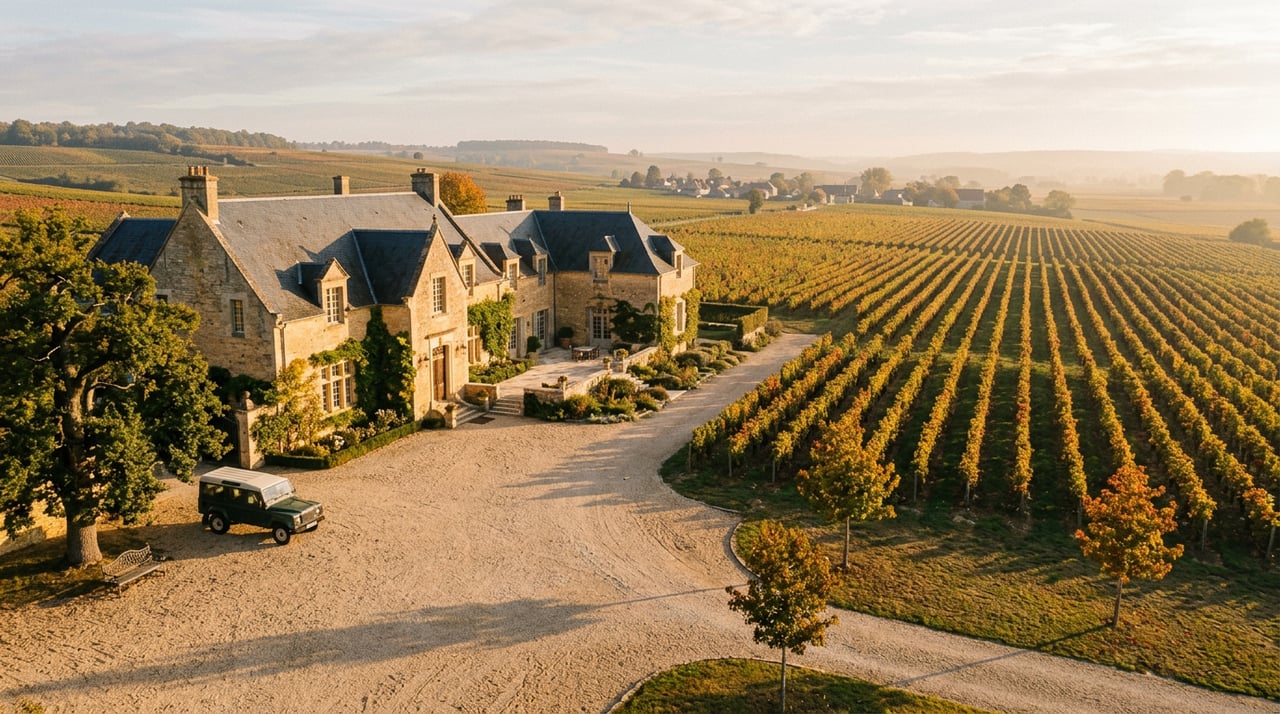
Carneros sits just south of the City of Sonoma and offers one of the most open landscapes in the corridor. The Carneros area description highlights vineyards, wineries, marshland, rolling vine rows, and lush gardens.
In practical terms, this is the least village-like part of the wine road. If your priorities lean toward scenery, space, and a slower rural rhythm rather than walk-to-town convenience, Carneros may be the strongest fit. For estate buyers and land-focused buyers, that more expansive setting can be a major advantage.
How Walkable Is Sonoma Valley?
The answer depends on the micro-area. Sonoma Plaza is the most walkable, with the highest concentration of dining, tasting, and public gathering spaces in one place.
The Springs, Glen Ellen, and Kenwood each offer pockets of convenience, but they are more limited and more spread out. Carneros is the least walkable and the most car-oriented. If walkability is high on your list, it makes sense to focus first on how close a property sits to a town or village center, not just whether it carries a Sonoma Valley address.
Do You Need a Car?
In most cases, yes. Sonoma does offer transportation options, but they do not replace a car for most daily living.
The city notes that Route 32, the Sonoma Shuttle, is fare-free, and there is also intercity service to Santa Rosa, Petaluma, and San Rafael, along with a SMART connector. The area also has 8.3 miles of bike trails and routes, and the Nathanson Creek Trail links local neighborhoods with Sonoma Valley High School and Adele Harrison Middle School. Still, the Sonoma Valley FAQ is clear that there are no public transit routes directly to wineries, so driving remains part of everyday life for most residents.
Traffic and Timing
Traffic tends to be most noticeable where visitor activity, commuting patterns, and Highway 12 overlap. The Plaza area, key intersections along Highway 12, and periods of construction or special events are usually where movement feels slowest.
The city and county have treated Highway 12 and Verano as a key safety corridor, adding pedestrian lighting and signal timing changes to improve crossings. The city also runs a Neighborhood Traffic Calming Program to address speeding and cut-through traffic on residential streets.
For buyers, the takeaway is simple. If you are considering a home, estate, or land parcel along the corridor, it is worth driving the route at different times of day. A property’s setting can feel very different on a quiet weekday morning than it does during a busy weekend or event period.
Outdoor Access Shapes Daily Life
One of Sonoma Valley’s strongest lifestyle anchors is outdoor recreation. This is not just a visitor perk. It is part of how many residents use the area week to week.
Sonoma Valley Regional Park sits near Glen Ellen and includes oak woodlands plus the paved 1.2-mile Valley of the Moon Trail for hikers, bikers, and equestrians. Sonoma County also describes the Sonoma Valley Regional Trail as a future 15-mile bike-and-pedestrian route along Sonoma Highway, with some existing sections already in use.
If you are looking at larger estates, ranch properties, or land in the valley, this outdoor framework adds value beyond scenery alone. It shapes how connected you may feel to the landscape on an ordinary day.
Which Sonoma Valley Area Fits You?
Here is a simple way to think about the corridor:
- Sonoma Plaza: Best for walkability, historic character, and immediate access to restaurants and tasting rooms.
- The Springs: Best for a more residential middle ground with local businesses and neighborhood parks.
- Glen Ellen: Best for village-scale living with strong outdoor access.
- Kenwood: Best for a quieter village setting with nearby everyday conveniences.
- Carneros: Best for open views, space, and a more rural, car-oriented lifestyle.
If you are weighing a primary residence, second home, estate property, or land purchase in Sonoma Valley, the right fit usually comes down to your preferred daily rhythm. Some buyers want to walk to dinner or spend time near the Plaza. Others want vineyard views, more privacy, and room to spread out. Understanding that difference early can save time and lead to a better long-term match.
When you are ready to explore Sonoma Valley with a clear, local perspective, Mark Stornetta can help you evaluate the corridor through both a lifestyle and land-use lens, whether you are searching for a Wine Country estate, a rural home site, or a more complex property opportunity.
FAQs
How walkable is life along the Sonoma Valley Wine Road?
- Sonoma Plaza is the most walkable part of the corridor, while The Springs, Glen Ellen, and Kenwood offer more limited village-style convenience, and Carneros is the most car-dependent.
Do you need a car to live in Sonoma Valley?
- Usually yes, because local shuttle, bus, bike, and trail options exist, but there are no public transit routes directly to wineries and many daily trips still depend on driving.
What does traffic feel like near Sonoma Highway 12?
- Traffic is usually most noticeable near Sonoma Plaza, major Highway 12 intersections, and during event or construction periods.
Which Sonoma Valley area is best for a quieter lifestyle?
- Glen Ellen, Kenwood, and Carneros generally offer a quieter rhythm than the Plaza area, with Carneros feeling the most open and rural.
What makes The Springs different from Sonoma Plaza living?
- The Springs tends to feel more residential and neighborhood-oriented, with local restaurants, small roads, hillside neighborhoods, and access to parks such as Maxwell Farms Regional Park.