If you are searching for what defines a modern Healdsburg estate today, it is not just one look. The strongest homes in this market are shaped by the land, the views, and the way you want to live outdoors as much as indoors. Whether you are planning a purchase, evaluating a property, or thinking about long-term value, understanding these design trends can help you see what truly fits Healdsburg. Let’s dive in.
Healdsburg Design Starts With the Site
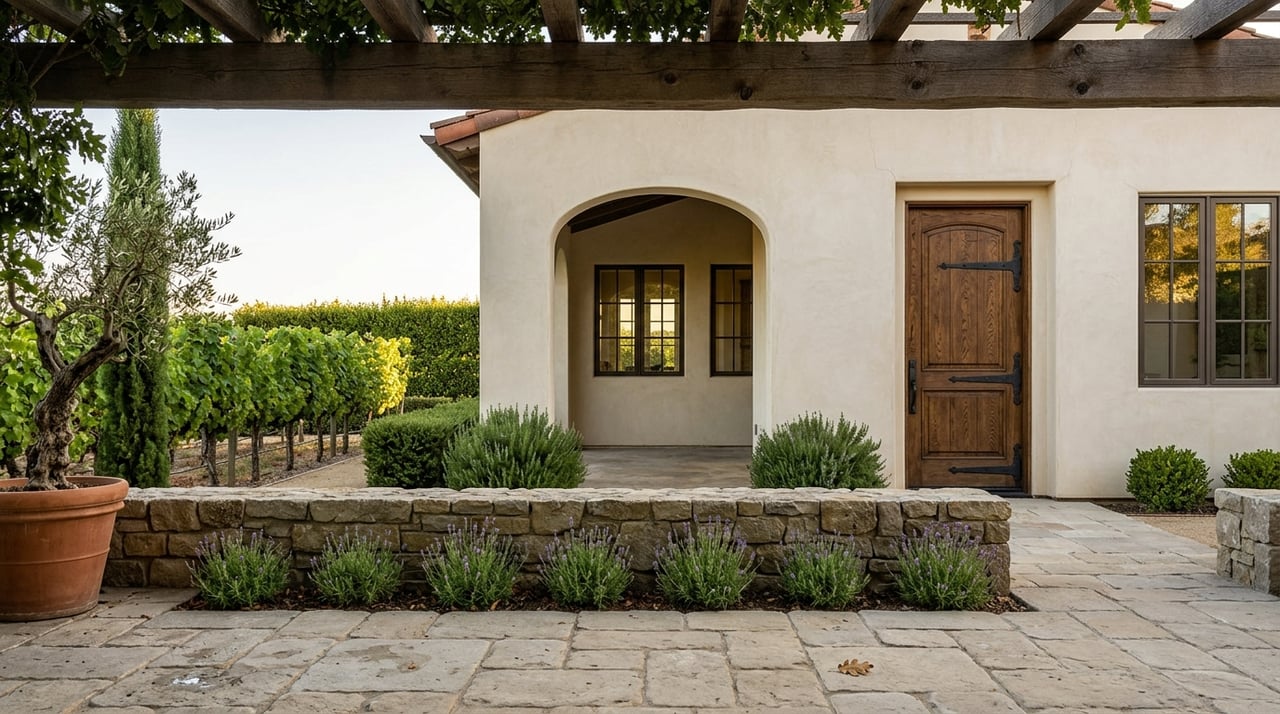
In Healdsburg, estate design begins with the setting. Local design guidance places real emphasis on outdoor spaces that connect to views, natural features, shade, and durable materials, which means the land itself often drives the architectural plan.
That is one reason you see such a wide range of estate styles here. In and around historic areas, residential architecture includes forms such as Homestead, Victorian, Italian Renaissance, and other Revival styles, while nearby rural estates often lean more contemporary. The result is a market where preservation-minded homes and modern compounds can both feel appropriate when they respond well to their surroundings.
For buyers and sellers alike, that matters. In Healdsburg, good design is rarely about imposing a style on a parcel. It is more often about how the home sits on the land, frames the landscape, and creates usable outdoor living areas.
Modern Farmhouse Is Still Here, But Evolving
One of the clearest trends in Healdsburg is the continued influence of the modern farmhouse. But the local version has become more refined, more restrained, and far more site-specific than the early wave of barn-inspired homes.
Recent examples show the shift clearly. You still find familiar cues like board-and-batten siding, light-filled interiors, and black-framed accents, but the best designs move beyond imitation. They borrow rural forms without becoming literal replicas of farm buildings.
In practice, that means lower rooflines, cleaner massing, long skylights, natural materials, and careful siting among oaks, hills, or vineyard edges. Many of today’s standout homes feel like a hybrid of farmhouse, pavilion, and contemporary retreat.
What Defines the New Farmhouse Look
The newer Healdsburg farmhouse language often includes:
- Clean exterior lines
- Simple, low-pitched or low-slung roof forms
- Large windows that pull in light and views
- Natural wood, metal, and other tactile materials
- A stronger relationship between house, terrace, and landscape
If you are comparing estate properties, this is a useful lens. A home does not need to look traditional to feel rooted in Wine Country, and it does not need to look ultra-modern to feel current.
Indoor-Outdoor Living Is the Real Luxury Standard
In Healdsburg, indoor-outdoor living is more than a design buzzword. It is one of the clearest markers of a well-conceived estate, and it often shapes both floor plan and site plan from the start.
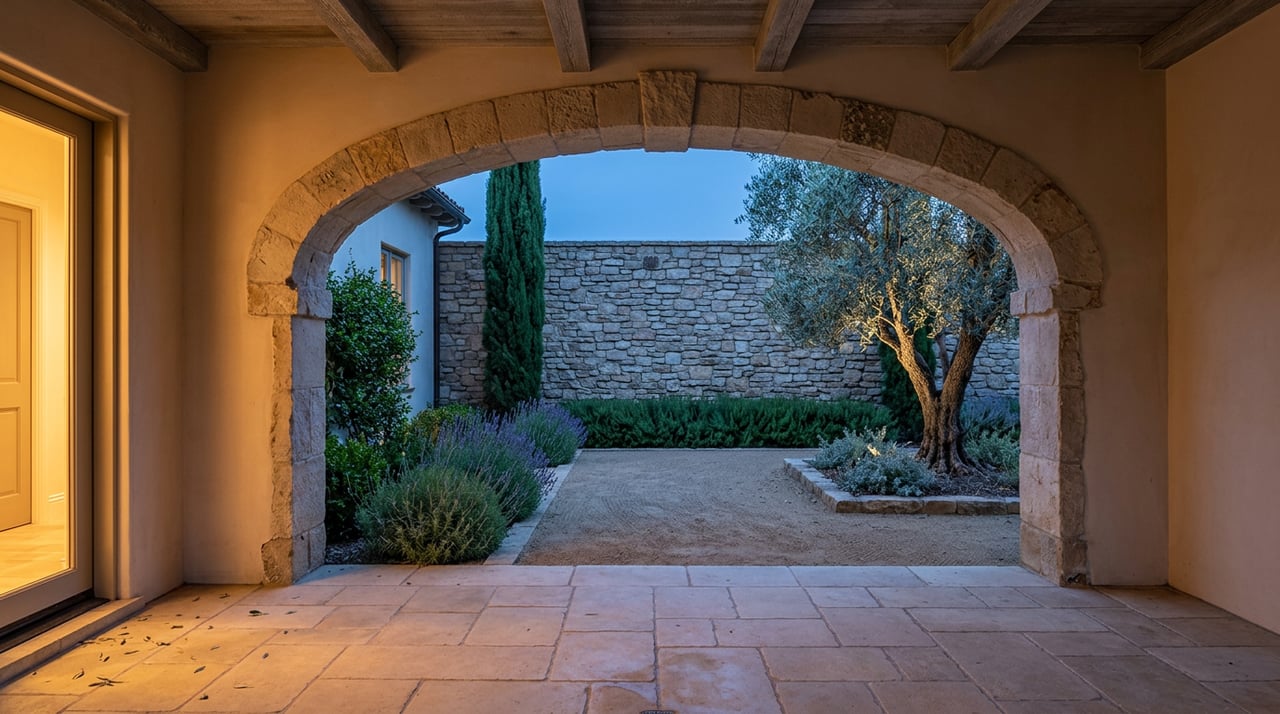
Local examples show this repeatedly. Architects are using glazed pavilions, expansive decks, sliding glass walls, porches, and transparent connectors between structures to make outdoor space feel like part of daily living, not an afterthought.
Just as important, the strongest homes do not rely only on big doors and glass. They also use overhangs, shade structures, terraces, and outdoor rooms to make those spaces comfortable during warm Healdsburg summers.
Features Buyers Notice Most
When indoor-outdoor living is done well, you will often see:
- Deep overhangs for shade
- Wrap-around porches or covered patios
- Multiple terraces or gathering areas
- Outdoor dining spaces near the kitchen
- Seamless flow between main rooms and exterior decks
- Landscape features that create privacy and sequence
For estate-scale properties, these choices can change how a home lives day to day. They can also shape how guests experience the property, which is especially important in a market where entertaining and multi-generational use are common priorities.
Outdoor Amenities Now Feel Like Part of the Architecture
Another trend shaping modern Healdsburg homes is the move toward fully programmed estate grounds. The land is no longer treated as background. Instead, architecture, recreation, and landscape are designed together.
That is why many notable local estates include more than a pool and patio. You may see bocce courts, orchards, vegetable gardens, cooking gardens, spas, and separate outdoor gathering areas planned as part of one coordinated estate experience.
This approach gives a property a destination feel. Rather than centering every activity in the main house, the estate unfolds across the site through a series of places to gather, relax, and enjoy the landscape.
Common Estate Grounds in Healdsburg
Today’s outdoor programs often include:
- Pools and spas
- Terraces for dining and lounging
- Bocce courts
- Olive orchards or fruit trees
- Vegetable or kitchen gardens
- Detached entertaining spaces
- Walking paths and view-oriented seating areas
For buyers, these features can reveal how intentionally a property was planned. For sellers, they can help tell a stronger story about lifestyle, land use, and long-term appeal.
Compounds and ADUs Are Gaining Attention
A single oversized residence is no longer the only estate model drawing interest in Healdsburg. Increasingly, buyers are drawn to properties that function as compounds, with separate but related structures across the site.
That might include a guest house, an ADU above a garage or workshop, or detached buildings that create privacy between main living and guest accommodations. In local examples, these arrangements often feel more flexible and more natural on the land than one large monolithic structure.
This trend makes sense in Wine Country. A compound layout can support extended stays, visiting family, workspace needs, or hospitality-style flow while preserving privacy and quiet.
Why Multi-Building Layouts Appeal
Compound-style estates often offer:
- Better privacy between main and guest spaces
- More flexibility for hosting
- A more natural fit on large parcels
- Clear separation of living, work, and recreation areas
- A site plan that feels layered rather than oversized
For high-value estate buyers, this type of layout can be especially appealing because it supports both personal use and long-term adaptability.
Sustainability Now Means Resilience Too
In Healdsburg, sustainability is increasingly tied to wildfire and water resilience. That shift is influencing both materials and landscape choices in modern estate design.
CAL FIRE defines home hardening as the use of construction features, building materials, and maintenance practices that help increase a home’s resistance to ignition. Sonoma County wildfire guidance also emphasizes reducing combustible materials around the home and hardening structures where possible.
You can see that reality reflected in local projects. Durable materials such as metal and Corten are showing up alongside natural wood and dark roofing, while some properties have added fuel-load studies or on-site water storage as part of a broader resilience strategy.
Design Choices Shaped by Resilience
In current Healdsburg estates, resilience may show up through:
- Durable exterior materials
- Thoughtful roof and siding selections
- More intentional planting plans
- Reduced combustible materials near structures
- Water storage or other site-specific fire planning
This is one of the most important trends to watch because it goes beyond style. It affects maintenance, insurability conversations, and the long-term durability of the estate.
Water-Wise Landscaping Is Part of Good Design
Landscape planning has become more disciplined in Healdsburg, not less. The city’s Water Efficient Landscape Ordinance applies to new projects and larger remodels with new or replaced landscaping, which means water use and irrigation planning are built into the design process.
That has practical design consequences. Instead of broad, high-maintenance lawn areas, many estates now lean toward more intentional planting palettes and a stronger balance between hardscape, shade, and lower-water landscape areas.
For estate properties, this can be a major advantage. A well-planned landscape can look polished and substantial while also supporting easier upkeep and a better fit with local conditions.
Historic Character Still Has a Strong Place
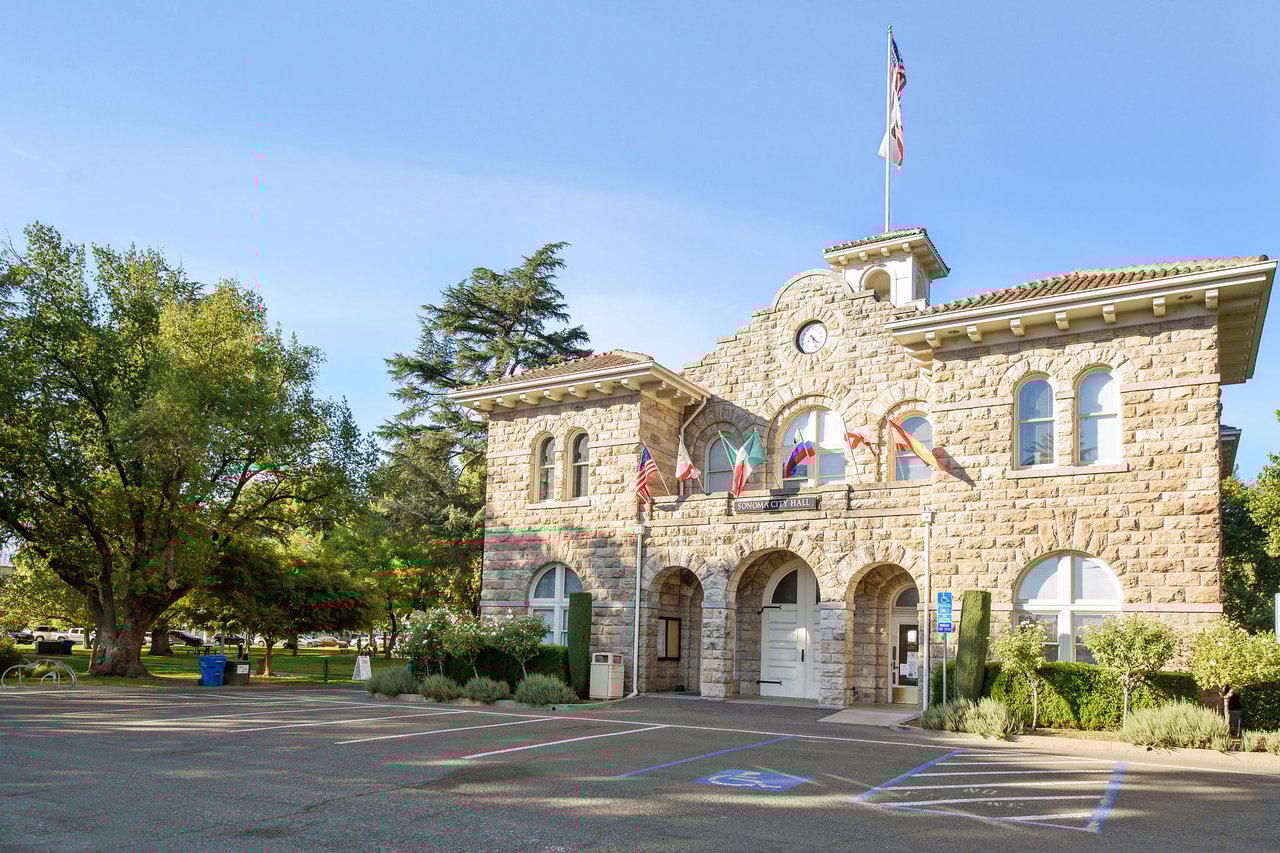
While newer rural estates often lean modern, historic character still carries real weight in and around Healdsburg. In certain areas, the city applies added design scrutiny, especially in historic districts, which helps preserve the architectural texture that makes in-town Healdsburg distinctive.
That does not mean estate design is stuck in the past. It means buyers should expect a different design conversation depending on location. A historic in-town property may call for a more preservation-minded approach, while a rural estate may have more room for contemporary forms and expansive site planning.
Understanding that difference is useful in any acquisition or sale. Design value in Healdsburg is often tied to fit, not just finish.
What These Trends Mean for Buyers and Sellers
If you are buying a Healdsburg estate, look beyond surface style. Pay attention to how the home handles sun, shade, privacy, views, and circulation across the site. The strongest properties usually succeed because the architecture, landscape, and outdoor living areas work together.
If you are selling, these same details often shape how a property is perceived in the market. Buyers at the estate level tend to notice layout flexibility, durable materials, usable outdoor spaces, and the overall logic of the site plan.
In a market like Healdsburg, design is not just aesthetic. It is part of how a property lives, performs, and holds appeal over time.
If you are evaluating a Healdsburg estate, planning a purchase, or considering how to position a distinctive property for sale, working with an advisor who understands both estate design patterns and rural Wine Country property dynamics can make a meaningful difference. To start a confidential conversation, contact Mark Stornetta.
FAQs
Are most Healdsburg estates modern farmhouses?
- No. Healdsburg estates range from farmhouse-inspired homes to low-slung modern ranches, glazed pavilion-style homes, barnlike retreats, and historic multi-building properties.
What defines indoor-outdoor living in Healdsburg estate design?
- In Healdsburg, indoor-outdoor living usually includes more than large glass doors. It often involves porches, overhangs, terraces, shade structures, and landscape sequencing that make exterior spaces comfortable and usable.
Why are guest houses and ADUs common in Healdsburg estates?
- Many Healdsburg-area estates use compound-style planning with separate structures to create privacy, flexibility, and a more natural fit across larger sites.
How does wildfire resilience affect Healdsburg home design?
- Wildfire resilience influences material choices, home hardening strategies, landscape planning, and efforts to reduce combustible materials near structures.
Does water-efficient landscaping matter for Healdsburg estate properties?
- Yes. Healdsburg’s Water Efficient Landscape Ordinance applies to new projects and larger remodels with proposed landscaping, so irrigation planning and lower-water landscape design are important considerations.
Do historic areas affect Healdsburg estate design decisions?
- Yes. Certain project types require design review, and historic districts receive added scrutiny, which can shape what is appropriate for a property’s architecture and setting.