Are you drawn to the romance of Wine Country living but unsure which home style fits Santa Rosa best? With Mediterranean weather, hillside views, and real wildfire exposure, the look of a house is only half the story. You also need the right materials, maintenance plan, and resale strategy. In this guide, you’ll learn how modern farmhouse, Mediterranean, contemporary, and rustic lodge styles perform in Santa Rosa and what to weigh before you buy. Let’s dive in.
Why Santa Rosa’s setting matters
Santa Rosa’s Mediterranean climate brings hot, dry summers and cool, wet winters. That means roofs, siding, and windows must handle heat, sun, and seasonal rain. Outdoor living is a major value driver, so patios, porches, and shade are central to everyday comfort.
Wildfire risk shapes many choices. Home-hardening details, noncombustible roofing, ember-resistant vents, and defensible-space landscaping can influence insurance and peace of mind. Local planning rules, neighborhood design guidelines, and California energy standards also guide exterior materials, massing, and expectations for solar and efficiency.
Modern farmhouse in Santa Rosa
Defining features
You’ll see clean gabled forms, generous porches, and a simple palette. Board-and-batten or horizontal siding and black-trimmed windows are typical. Interiors often favor open plans with rustic-modern finishes.
Materials and systems
Common exteriors include wood or fiber-cement lap and board-and-batten siding in light neutrals. Standing-seam metal or asphalt shingle roofs are typical. Porches use wood or composite decking, with painted trim and columns.
Maintenance and fire notes
Painted wood needs regular upkeep in wet winters. Fiber-cement delivers a similar look with lower maintenance and better fire performance. Metal roofs are durable and shed embers well, though they cost more upfront and can be louder in heavy rain. In higher-risk areas, choose composite decking, ember-resistant screening, and minimal exposed combustible trim.
Resale signals
This look is broadly popular with move-up buyers and works well on ranch or vineyard properties when proportion and materials are right. Quality matters. Small windows on a view lot or low-grade finishes can hurt resale. Buyers value authentic detailing and visible fire-readiness.
Mediterranean and Tuscan homes
Defining features
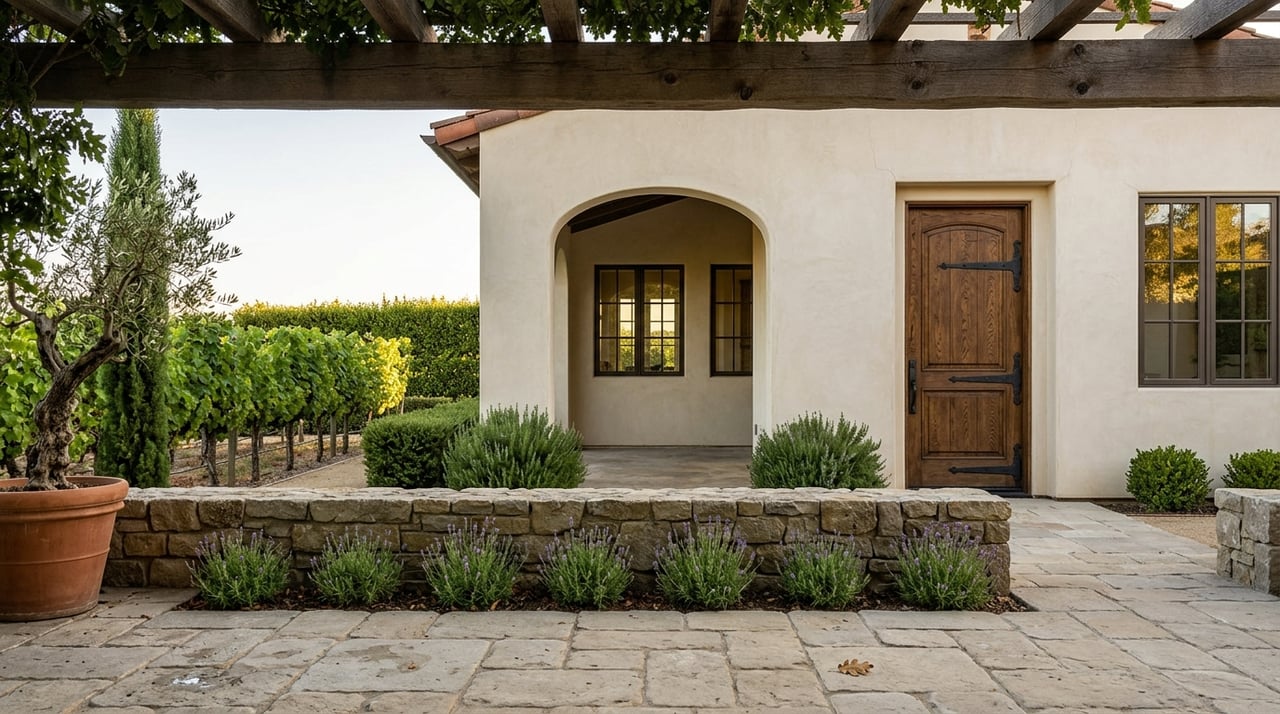
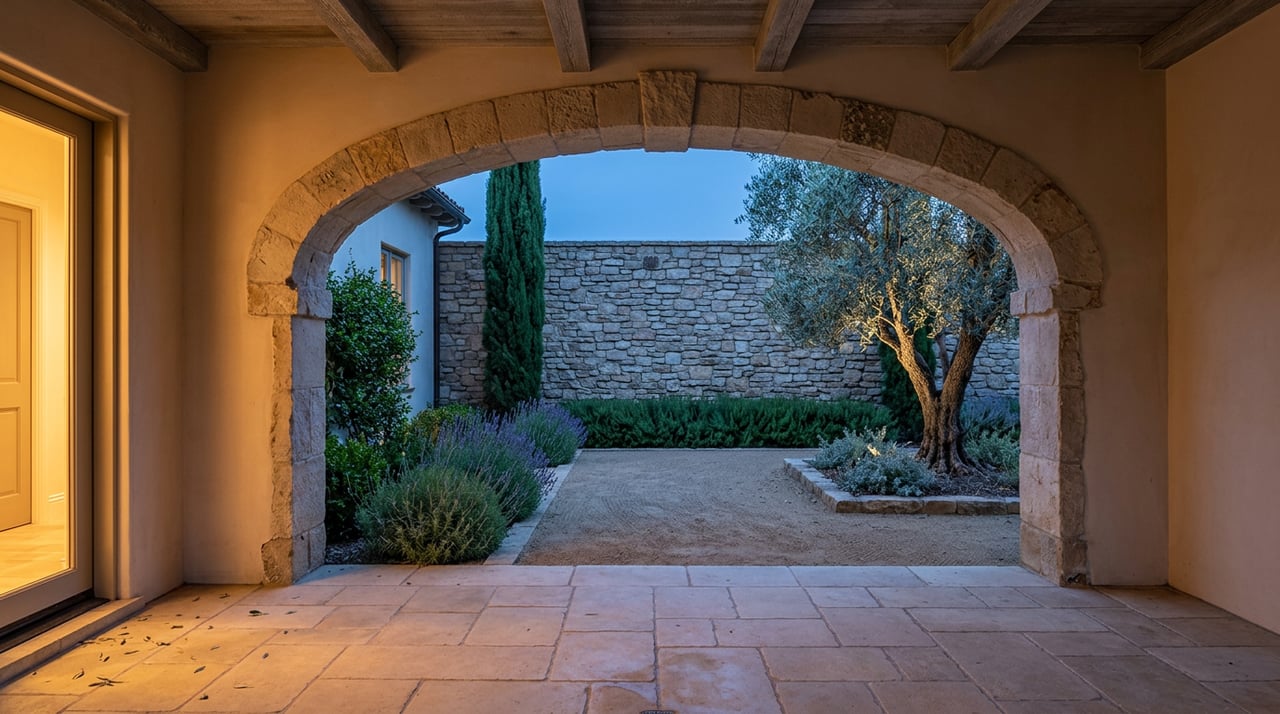
Expect stucco walls, low-pitched clay-tile roofs, arched openings, and warm earth tones. Courtyards, loggias, and wrought-iron accents support indoor and outdoor living.
Materials and systems
Cement stucco over wood or masonry is common, often with stone accents. Clay or concrete tiles deliver visual heft and longevity. Windows may be wood or aluminum-clad with optional shutters or ironwork.
Maintenance and fire notes
Tile roofs perform well when installed correctly and are noncombustible, though they are heavy and require a suitable structure. Stucco handles heat and offers some thermal mass. Keep an eye on cracks and flashing to prevent moisture intrusion in winter. Replace or rethink wood pergolas and trim in high-risk zones to reduce vulnerability.
Resale signals
Well-executed Mediterranean homes feel authentic in Santa Rosa’s climate and are often sought after on estate properties. True stonework and tile roofing are costly to replicate, which supports value when quality is evident. Buyers respond to craftsmanship and durable materials.
Contemporary wine country modern
Defining features
Contemporary homes lean into clean lines, minimal ornament, and large glass for indoor and outdoor flow. They often highlight site-specific design and view framing.
Materials and systems
Stucco, fiber-cement panels, metal cladding, and engineered wood accents are common. Low-slope membrane or concealed-drainage roofs fit the look. High-performance glazing is standard to balance views and energy use.
Maintenance and fire notes
Large glass areas can increase summer heat gain without good shading. Thoughtful overhangs, exterior shades, and high-performance glass help. Low-slope roofs need precise detailing to handle winter rains and avoid ponding. Noncombustible cladding improves fire resistance, and any wood accents should be carefully selected and treated.
Resale signals
These homes win on dramatic sites with big views and tech-forward features. When design is tailored to the lot, they can command premiums. In more traditional neighborhoods, the market can be narrower, so context matters.
Rustic lodge and mountain cabin
Defining features
Heavy timber, stone fireplaces, deep porches, and handcrafted details define this style. It blends naturally on wooded hillsides and secluded parcels.
Materials and systems
Exterior materials include timber, log or shingle siding, and stone masonry. Historically, roofs used wood shakes, though many owners now choose metal or Class A shingles for performance.
Maintenance and fire notes
Untreated wood shakes and heavy exposed wood are high maintenance and more vulnerable to embers. Many insurers scrutinize these materials. Stone is durable, but timbers require ongoing care to avoid decay and pests and to maintain fire performance. Home-hardening retrofits can be essential and sometimes costly on older cabins.
Resale signals
Rustic lodge homes shine where the setting matches the aesthetic. In areas dominated by wine-country or Mediterranean looks, resale can be more niche. Buyers reward properties that adapt the look with safer roofs, ember-resistant vents, and managed landscaping.
Cross-style choices that matter
Roofs: lifespan, fire, cost
- Asphalt shingles are economical and widely used, with Class A options available, though lifespans are shorter.
- Metal roofing is durable and fire resistant, and it suits farmhouse or contemporary designs.
- Clay or concrete tile offers excellent longevity and fire performance but requires a robust structure.
- Wood shakes deliver a rustic look but are discouraged or restricted in high-risk zones and by many insurers.
Siding and cladding
- Stucco fits Mediterranean and some modern homes and stands up well in heat when detailed for drainage.
- Fiber-cement is paintable, low maintenance, and provides strong fire performance while mimicking wood.
- Natural wood offers warmth but demands regular care and careful fire planning.
- Stone or brick adds durability and a sense of permanence.
Glass, shade, and views
- Large windows maximize views. Choose high-performance glazing and plan shade for summer comfort.
- Tempered glass and ember-resistant venting improve wildfire resilience.
- Deep overhangs and exterior shading help reduce heat gain while keeping the view.
Decks, porches, and loggias
- Wood decks look great but need ongoing maintenance and attention to combustibility.
- Composite or concrete deck surfaces boost longevity and fire performance.
- Design porches and loggias with ember-resistant details and adequate clearance from vegetation.
Landscaping and defensible space
- Create an immediate noncombustible zone within 0 to 5 feet of structures.
- Maintain low-fuel, well-watered plants from 5 to 30 feet.
- From 30 to 100 feet, reduce fuel, limb trees up, and clear brush as allowed. Drought-tolerant native species help when properly spaced and maintained.
Energy, solar, and comfort
- Newer homes in California are built to high efficiency standards, and many include rooftop solar.
- Heat pump HVAC, quality insulation, and whole-house ventilation are attractive to buyers and second-home owners.
- Solar plus battery storage can add resilience and support resale.
Regulatory, insurance, and resale
Confirm local requirements before you commit to a style or major remodel. City and county design review, hillside rules, and neighborhood guidelines can influence exterior materials and massing. Wildfire home-hardening and defensible space rules may affect decks, vents, eaves, and landscape choices.
Insurance carriers look at roof type, siding, proximity to fuels, and maintenance of defensible space. Wood-shake roofs or untreated shingle siding can limit coverage or raise premiums. Visible mitigation and Class A roofing can improve insurability and market appeal.
Resale depends on fit and execution. Align the style with the lot, views, and neighborhood. Buyers pay for quality materials, good orientation, and outdoor living that feels effortless. Fire-readiness features are increasingly part of the value story.
Quick walkthrough checklist
- Roof: type, age, Class A rating, flashing, and drainage.
- Siding: material, condition, and any cracks, rot, or gaps.
- Vents and eaves: ember-resistant screening and sound soffit details.
- Windows and doors: glazing performance, shading, and orientation to sun and view.
- Decks and porches: material, attachments, clearances from vegetation.
- Landscaping: defensible space in 0–5, 5–30, and 30–100 foot zones.
- Systems: HVAC type, insulation quality, solar and battery readiness.
- Rules: HOA, design review, or overlays that affect exterior changes.
- Insurance: confirm availability and likely premiums early, especially for high-risk lots or heavy wood exteriors.
If you are weighing style choices for a Santa Rosa estate or second home, local knowledge can save you time and money. For confidential, expert guidance on architecture fit, materials, fire-readiness, and resale strategy, connect with Mark Stornetta. You will get a clear, private plan tailored to your goals.
FAQs
What home styles fit Santa Rosa’s climate best?
- Mediterranean, modern farmhouse, contemporary, and adapted rustic lodge styles perform well when built with durable, fire-conscious materials and good drainage details.
How does wildfire risk affect design and insurance?
- Noncombustible roofing, ember-resistant vents, defensible landscaping, and ignition-resistant cladding can improve safety and insurability, while heavy exposed wood often raises scrutiny.
Are metal roofs worth the cost in Wine Country?
- Often yes. Metal roofs are durable, shed embers, and suit farmhouse or contemporary designs, though they cost more upfront than asphalt shingles.
Do large glass walls overheat in summer?
- They can without shading. High-performance glazing, deep overhangs, and exterior shades keep interiors comfortable while preserving views.
What should I check before buying a rustic lodge home?
- Roof rating, extent of exposed wood, vent screening, deck materials, defensible space, and insurance availability, plus the cost of any needed fire-hardening retrofits.