Torn between big skies and big convenience in Santa Rosa? You are not alone. Choosing between a country property and an in‑town estate comes down to how you want to live day to day, what you want to maintain, and how you manage risk and long‑term value. In this guide, you will compare lifestyle tradeoffs, utilities and permitting, wildfire and insurance realities, and key value drivers so you can decide with clarity. Let’s dive in.
What each property type means here
Country properties at a glance
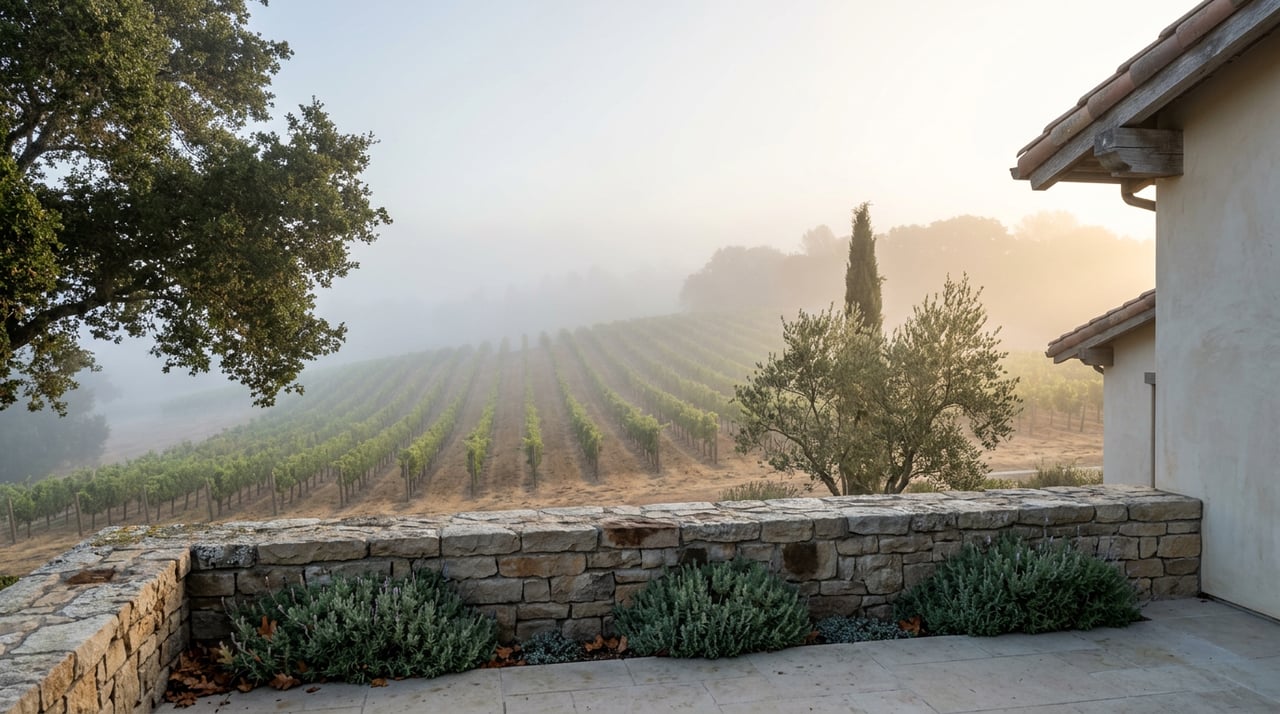
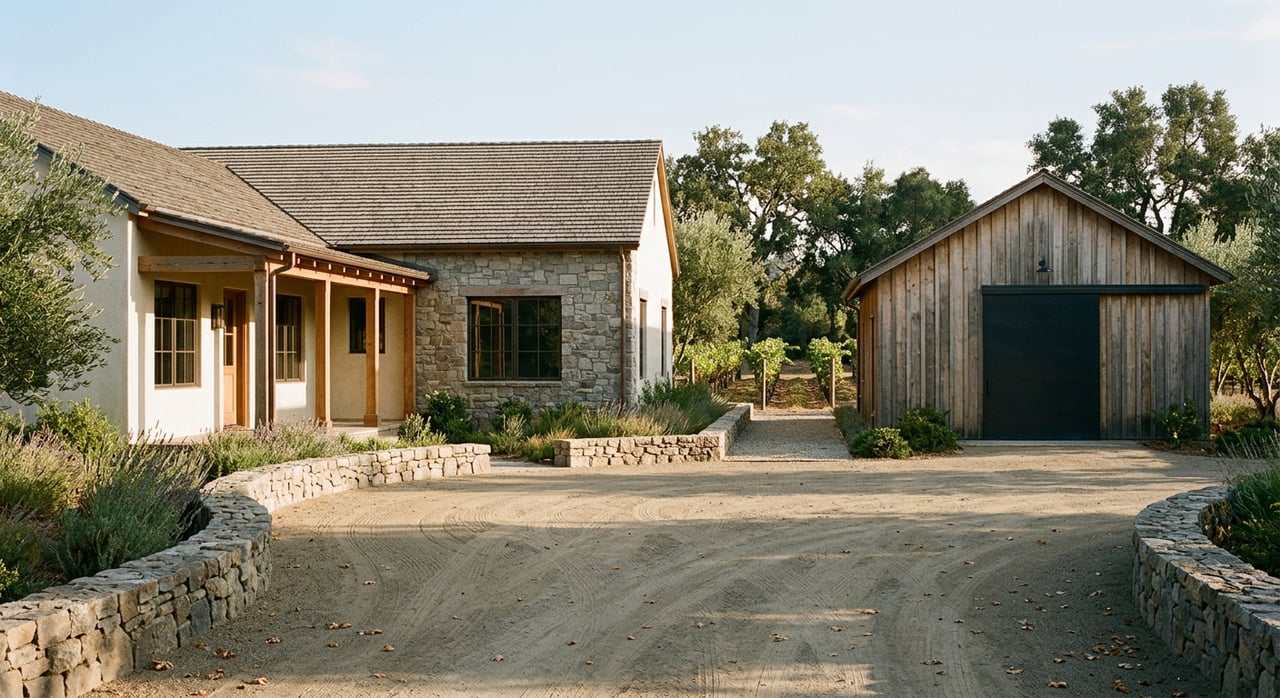
Country homes around Santa Rosa often sit on roughly 1 to 50 acres. You will see private drives, wells and septic systems, and outbuildings like barns or small shops. Many parcels are vineyard‑adjacent or include vines, which adds to the agrarian feel buyers prize. If you plan to plant or manage vines, factor in capital and seasonal work. UC Cooperative Extension notes that vineyard establishment commonly exceeds $20,000 per acre in many local scenarios, with annual operating costs varying by management style. Review local guidance before committing to a farming plan using the UC viticulture FAQ and sample budgets from UC Cooperative Extension.
In‑town luxury estates
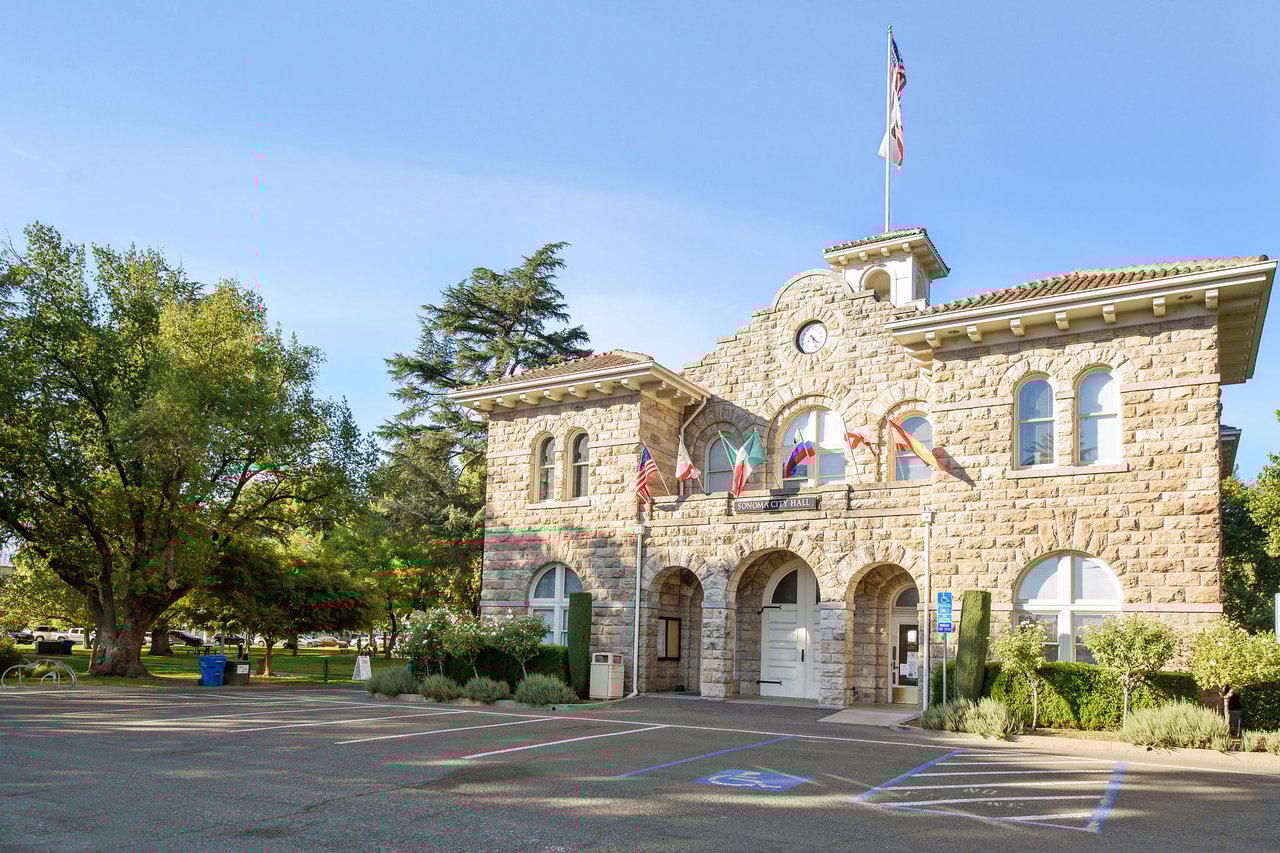
In‑town estates sit inside or near Santa Rosa city limits. You gain municipal water and sewer, shorter drives to services and the airport, and typically faster response times for vendors and public safety. These homes compete directly with other city and suburban luxury properties, so finishes, amenities, and neighborhood comparables often drive value more predictably than acreage.
Daily living: convenience vs space
Commutes and services
If you prioritize quick access to groceries, medical care, downtown dining, and Charles M. Schulz–Sonoma County Airport, an in‑town estate keeps your routine simple. Country addresses mean longer drives for errands and schools. Before you choose, map your real routes during typical traffic windows to understand real‑world drive times.
Privacy, views and outdoor life
Country parcels typically deliver more privacy and wider view corridors that connect to agricultural and open‑space landscapes. That scenery is a core reason many people choose Sonoma County. In‑town estates can offer mature landscaping and resort‑style amenities with easier scheduling for maintenance vendors. Both options can support a strong indoor‑outdoor lifestyle, but the scale and setting feel very different.
Agricultural lifestyle realities
Owning or abutting vineyard acreage shapes your calendar and budget. Vineyard establishment can exceed $20,000 per acre and annual production costs vary with labor and mechanization levels. If vines are part of your plan, study local cost guidance and sample budgets through UC Cooperative Extension and run a multi‑year pro forma before you buy.
Utilities and infrastructure: key differences
Water and septic
- In‑town estates usually connect to city or district water and sewer, which means predictable billing and fewer on‑site systems to manage.
- Country parcels often rely on private wells and septic systems regulated by Permit Sonoma. Before assuming you can drill or replace a well, review current policy and any Public Trust Review Area requirements on Permit Sonoma’s well‑permitting page. As of late 2024 to early 2025, the County temporarily paused some non‑emergency well permits while a legal process was pending, so verify the latest status through County portals such as the Citizen Access page.
- For septic, request permit history, percolation tests, and maintenance records. Start with County guidance on septic systems. Routine pump‑outs are commonly a few hundred dollars locally, and older systems may need upgrades.
Power and PSPS
Rural addresses can be more exposed to weather events and Public Safety Power Shutoffs on long overhead lines. Review past PSPS activity for the address and consider backup solutions like generators or solar plus storage. PG&E shares program details and alerts on its PSPS page.
Roads and access
Many country lanes and driveways are private. You and your neighbors are typically responsible for grading, drainage, and major repairs. Lenders and title often want a recorded road‑maintenance agreement. Confirm easements, access, and any cost‑sharing structure in your title review. Plan for both routine upkeep and occasional major work.
Broadband and cell service
Coverage and speed vary widely outside town. Check exact address availability with providers and review California’s broadband initiatives for planned improvements. The State’s program hub is a useful starting point at Broadband for All.
Wildfire, insurance and mitigation
Local history and current mapping
The October 2017 fires, including the Tubbs Fire, reshaped Santa Rosa and surrounding communities and continue to inform planning and buyer diligence. See local coverage of that event from the Press Democrat’s report on the Tubbs Fire impact.
California’s Fire Hazard Severity Zone maps classify risk by area. Check the latest designation for any parcel through County resources on Fire Hazard Severity Zones. Designations affect defensible‑space requirements and can influence insurance underwriting.
Defensible space and home hardening
State law requires up to 100 feet of defensible space around structures in many zones, including a 5‑foot ember‑resistant Zone 0. Home hardening and vegetation management can significantly reduce risk and are important for some insurers. Review current guidance on CAL FIRE’s defensible space page.
Insurance market realities
Availability and pricing for homeowners and wildfire coverage vary by ZIP code and property characteristics. The California Department of Insurance has taken steps to improve stability, including new wildfire‑mitigation rules and oversight of the FAIR Plan. Get quotes and pre‑approvals early in your contingency period and document mitigation steps. Track ongoing changes through the Department’s press releases and bulletins.
Long‑term value and resale
What can boost country property value
- Land, privacy, and protected view corridors often command a premium. Vineyard adjacency can support long‑term demand, and in some cases, established vines can provide income through grape sales or leases. County planning and conservation programs may also preserve scenic surroundings, which supports the rural character many buyers want.
- If you are evaluating future water use, note that Sonoma County groundwater subbasins are managed under SGMA. Check whether a parcel lies in the Santa Rosa Plain or another GSA because management actions can affect pumping and reporting. A governance overview and recent actions are available through the Sonoma County Groundwater program.
What can boost in‑town estate value
- A broader buyer pool, utility access, and strong neighborhood comparables usually make pricing and financing more predictable.
- Finished amenities, quality of construction, and landscape design tend to have outsized weight in appraisals and resale.
Due diligence checklist for your offer
Include these items in your contingencies to reduce surprises:
- Title and access: verify all easements for ingress and egress, any road‑maintenance agreement, CC&Rs, and encumbrances that survive closing.
- Water: collect the well log, pump test, yield data, and any permit history. Confirm current policy on new or replacement wells with Permit Sonoma and check application availability via the County’s Citizen Access page.
- Septic: request permits, as‑built drawings if available, last pump‑out date, and repair records. Start with County guidance on septic systems.
- Fire and insurance: confirm the parcel’s current hazard designation on the County’s FHSZ resources, review CAL FIRE’s defensible space rules, and obtain insurance quotes during contingencies through your broker or carrier.
- Power and communications: check historical PSPS impacts and discuss backup power options using PG&E’s PSPS program. Verify broadband and cell coverage at the exact address and review State plans at Broadband for All.
- Agricultural intentions: if you plan to plant or operate vines, model establishment and operating costs with UC Cooperative Extension resources and align with local zoning and use permits.
How to choose with confidence
Choose a country property if
- You want privacy, acreage, and direct connection to Wine Country landscapes.
- You are comfortable managing wells, septic, private roads, and wildfire mitigation.
- You value the option to plant or lease vines and are ready to budget for rural infrastructure.
Choose an in‑town estate if
- You want quick access to services, predictability in utilities, and broader resale appeal.
- You prefer fewer unknowns around wells, septic, or road agreements.
- You want amenities and finishes to be the main value drivers.
Either path: the must‑do checks
- Confirm the property’s fire hazard designation, defensible‑space status, and insurance quotes early.
- Verify well performance and septic permits and plan for replacement timelines if systems are older.
- Validate access and road agreements, then model realistic annual maintenance.
- Align your plans with current County policies and any GSA obligations if groundwater is a factor. Find FHSZ and permitting resources on Permit Sonoma and wildfire guidance on CAL FIRE.
When you are ready to compare specific properties or structure a plan that balances lifestyle, risk, and long‑term value, connect with a local advisor who lives this terrain. With deep vineyard finance and operations experience and Compass marketing reach, Mark Stornetta can help you vet water, fire, and agricultural questions and position you for a confident purchase.
FAQs
What should I check first on a rural Santa Rosa property?
- Start with well and septic records, fire hazard designation, and access easements, using County resources for wells, septic, and FHSZ maps.
How do recent Sonoma County well‑permitting changes affect buyers?
- Some non‑emergency well permits were temporarily paused in late 2024 to early 2025 pending legal review, so confirm current eligibility with Permit Sonoma and the County’s Citizen Access portal.
How much does it cost to start a small vineyard near Santa Rosa?
- UC Cooperative Extension reports vineyard establishment often exceeds $20,000 per acre in many local scenarios, with annual costs varying; review budgets on the UC viticulture FAQ.
How can I improve wildfire insurance options for a Santa Rosa home?
- Maintain defensible space, harden structures, document mitigation, and seek quotes early; track statewide updates via the Department of Insurance press releases and follow CAL FIRE guidance.
Is power reliability a bigger issue for country properties?
- Rural addresses can be more affected by weather and PSPS on long overhead lines; review PG&E’s PSPS program and consider backup power plans.
Will groundwater rules affect my rural property plans?
- Check whether your parcel sits in a managed subbasin like the Santa Rosa Plain and review local GSA requirements in the Sonoma County Groundwater materials before finalizing water‑dependent plans.