Thinking about leaving the Bay Area for Wine Country? If Glen Ellen is on your shortlist, you are probably looking for more space, a quieter daily rhythm, and a setting that feels connected to the land without giving up access to Sonoma Valley essentials. This guide will help you understand what it is really like to relocate from the Bay Area to Glen Ellen, what to watch for during your home search, and how to make a smart move with fewer surprises. Let’s dive in.
Why Glen Ellen Appeals to Bay Area Buyers
Glen Ellen offers a very different pace from most Bay Area communities. It is a small unincorporated village in Sonoma Valley, about a 15-minute drive north of Sonoma, with a walkable core that includes tasting rooms, restaurants, and access to hiking, according to the Sonoma Valley Visitors Bureau overview of Glen Ellen.
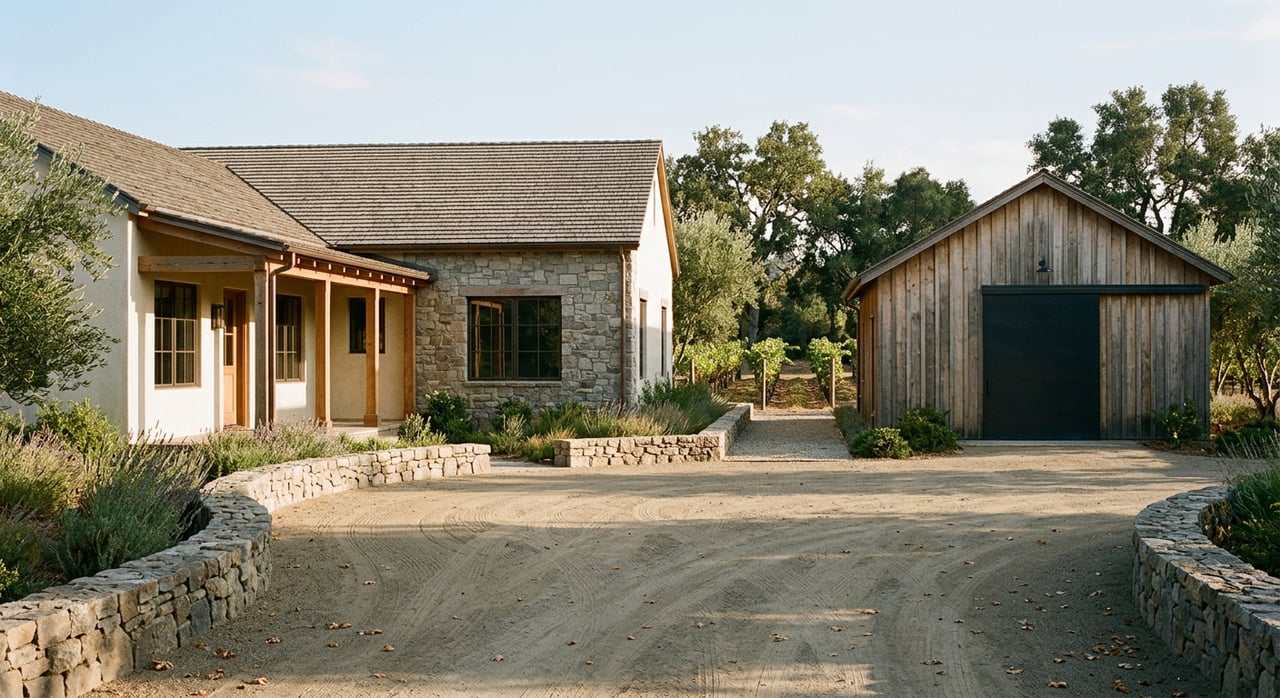
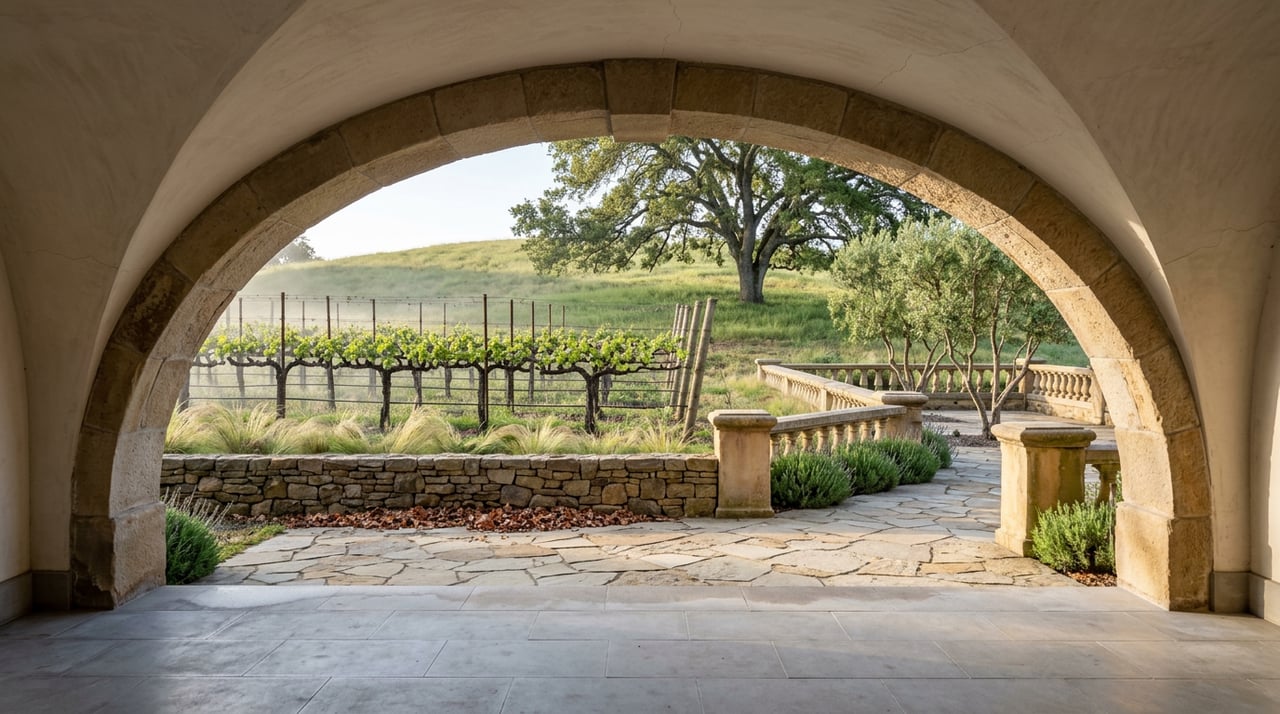
What draws many Bay Area movers is the combination of village character and surrounding open land. Permit Sonoma describes Glen Ellen’s historic heart as centered on Sonoma Creek, and county guidance emphasizes preserving its rural character, scenic quality, and human-scale development. If you are looking for a place that feels smaller, more grounded, and less built out than a typical suburb, Glen Ellen stands apart.
What Daily Life Feels Like
Glen Ellen is small by design and by scale. The 2020 census profile cited by the Sonoma Valley Visitors Bureau shows 714 residents, 811 housing units, and 526 occupied units, which points to a very limited housing inventory compared with larger Bay Area communities. That small scale can be part of the appeal, but it also means fewer homes may come available at any given time.
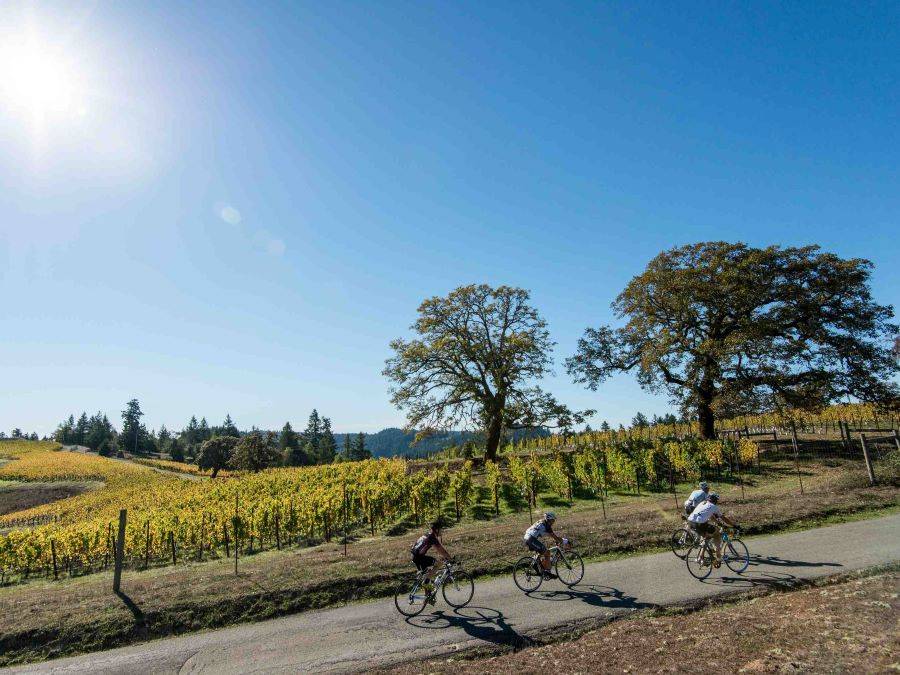
The area’s setting shapes everyday life. Nearby public lands include Sonoma Valley Regional Park, and Jack London State Historic Park in Glen Ellen includes 1,400 acres and more than 26 miles of trails. Sonoma County Regional Parks also notes that the future Calabazas Creek Regional Park and Open Space Preserve will add 1,290 acres of creek and ridge-top terrain on Nuns Canyon Road.
For you, that can mean easier access to outdoor time and a more rural rhythm. It can also mean that errands, services, and daily logistics are handled differently than they are in denser Bay Area neighborhoods. Glen Ellen is more about intentional living than convenience at every corner.
Commuting From Glen Ellen
If you work in the Bay Area, commute planning matters. Glen Ellen is served by Sonoma County Transit Route 30, which stops at Arnold Drive and London Ranch Road and connects to Kenwood, Sonoma Plaza, El Verano, Boyes Hot Springs, Santa Rosa Transit Mall, and Coddingtown.
That said, this is not a transit-heavy environment. Based on the village’s small scale, rural setting, and limited route structure, Glen Ellen tends to fit best with remote work, hybrid schedules, or occasional commuting rather than a daily transit-based Bay Area routine. If you expect to travel regularly, it is worth testing the drive on both a weekday and a weekend before you commit.
Visit at Two Different Times
One of the smartest relocation steps is to experience Glen Ellen under normal conditions, not just on a relaxed weekend outing. The research suggests comparing Glen Ellen with nearby alternatives like Kenwood and Sonoma on two separate visits so you can better understand traffic, road access, and how quickly you can connect to other parts of Sonoma Valley and Santa Rosa.
That side-by-side comparison can clarify whether Glen Ellen matches your actual lifestyle, not just your ideal one. For some buyers, that confirms the choice. For others, it helps narrow the search to a nearby area with a different balance of access and village feel.
Understanding Glen Ellen Real Estate
Glen Ellen does not fit a standard subdivision model. The housing stock is better understood as a range of property types that reflect the area’s village core, historic patterns, and rural valley landscape.
Based on county and local sources, you may encounter:
- Village-scale homes
- Historic properties
- Ranch settings
- Small estates
- Larger acreage parcels
- Land with vineyard or orchard potential
Permit Sonoma’s historic resources materials on Jack London Village and Glen Ellen help illustrate that range. For Bay Area buyers, this matters because each category can come with a different maintenance profile, permitting path, and level of due diligence.
Match the Property to the Move
Before you start touring seriously, define what you want the property to do for you. Are you looking for a full-time village home, a second-home retreat, a ranch property, or acreage with long-term agricultural or vineyard potential?
That early decision can save time and sharpen your search. A home near the village core may offer a different experience than a parcel with more land, rural infrastructure, and future planning considerations. In Glen Ellen, those differences are often significant.
Zoning and Design Rules Matter
If you are buying with plans to remodel, expand, or build, Glen Ellen requires careful review early in the process. Sonoma County’s code explains that the Glen Ellen Development and Design Guidelines apply within LG/GE1 and LG/GE2 and are intended to preserve rural character, scenic quality, and human-scale forms and materials.
In practical terms, you should not assume that what worked on a Bay Area property will translate directly here. Exterior changes, additions, and development plans may require closer review, especially in areas where preserving the existing village character is a stated priority. Getting clarity upfront can help you avoid buying a property that does not support your long-term plans.
Rural Due Diligence Starts Early
For many Bay Area movers, one of the biggest adjustments is the depth of due diligence needed on rural and semi-rural property. In Glen Ellen and the surrounding valley, issues like access, water source, septic, easements, insurance, and wildfire defensibility should be treated as early-stage questions, not box-checking at the end.
Wildfire readiness is part of the local landscape. Sonoma County maintains fire hazard severity zone maps, and Sonoma Valley Regional Park has experienced prescribed-fire-related closures. If you are considering acreage or a more rural setting, these details deserve attention from the start.
Questions to Ask Early
As you narrow your options, ask questions such as:
- What is the property’s access like year-round?
- Is the water source public, well-based, or something else?
- Is the property served by septic?
- Are there easements or shared access agreements?
- How might wildfire hazard mapping affect insurance and property planning?
- If you want to build or expand, what county rules apply?
These are not niche issues in Glen Ellen. They are part of understanding the property correctly.
Schools and Relocation Planning
If you are moving with children, school logistics should be verified by address before you write an offer. Sonoma Valley Unified School District currently lists two high schools, one middle school, and four elementary schools on its district website.
The district is also in a period of change. Its published materials indicate that addresses in the former Dunbar boundary are assigned to El Verano, that Flowery will become a school-of-choice campus beginning in 2026-27, and that Prestwood is scheduled to close at the end of the 2025-26 school year. Because boundaries and assignments are changing, it is important to confirm current placement directly through the district.
Glen Ellen also has an in-town public charter option. Woodland Star Charter School is an independent TK-8 public Waldorf school located on Dunbar Road. For relocating households, that means you may have more than one public school path to review, depending on the property and your preferences.
A Smart Bay Area-to-Glen Ellen Transition Plan
Moving to Glen Ellen usually goes more smoothly when you treat it as both a lifestyle decision and a property due diligence process. A simple framework can help:
- Visit Glen Ellen on both a weekday and weekend.
- Compare it with nearby Sonoma and Kenwood.
- Decide which property type best fits your goals.
- Verify school assignment by address if applicable.
- Review zoning and design rules early.
- Investigate insurance, access, water, septic, easements, and wildfire factors before you get too far down the road.
This kind of upfront work is especially important in a small market where inventory may be limited and property types can vary widely.
Is Glen Ellen the Right Fit?
For many Bay Area buyers, Glen Ellen works best when the goal is not simply to change zip codes, but to change pace. It offers a small-scale Sonoma Valley setting, access to parks and trails, and a housing mix that ranges from village homes to larger rural parcels. At the same time, it asks more from buyers in terms of planning, verification, and due diligence.
That is not a drawback if you go in with clear expectations. In fact, for the right buyer, it is exactly what makes Glen Ellen appealing. If you want a more intentional Wine Country lifestyle and you understand the property considerations that come with it, Glen Ellen can be a compelling move.
If you are considering a move from the Bay Area to Glen Ellen and want experienced guidance on rural property, estate homes, or land with long-term potential, Mark Stornetta offers a confidential, locally grounded approach shaped by decades of Sonoma County experience.
FAQs
What is Glen Ellen like for Bay Area buyers?
- Glen Ellen is a small Sonoma Valley village with a walkable core, nearby parks and trails, and a more rural, lower-density lifestyle than most Bay Area communities.
How far is Glen Ellen from Sonoma?
- The Sonoma Valley Visitors Bureau says Glen Ellen is about a 15-minute drive north of Sonoma.
Is Glen Ellen a good choice for commuters to the Bay Area?
- Glen Ellen may work best for remote, hybrid, or occasional commuters because local transit is limited and the area is more rural than transit-oriented.
What kinds of homes can you find in Glen Ellen?
- Buyers may find village homes, historic properties, ranch settings, small estates, and larger acreage parcels, depending on the location and setting.
What should buyers verify before purchasing in Glen Ellen?
- Buyers should review zoning and design guidelines, and investigate access, water source, septic, easements, insurance, and wildfire-related factors early in the process.
What should families know about schools in Glen Ellen?
- Families should verify school assignment by property address with Sonoma Valley Unified School District because boundaries and campus plans are changing, and they may also want to review Woodland Star Charter School in Glen Ellen.